RSS
Menampilkan postingan yang diurutkan menurut tanggal untuk kueri paintings. Urutkan menurut relevansi Tampilkan semua postingan

Painting of Obama Trampling Over Constitution

Via an article on Memeorandum I came across this painting by artist Jon McNaughton called The Forgotten Man. I like political paintings- there are a couple of Norman Rockwell-esque paintings of presidents playing cards that I like, and if this blog would start generating some cash via donations I might actually put them up in my room to provoke thought and discussion.

The Forgotten Man, by Jon McNaughton, depicts a scene in front of the White House with a man who represents average people the sitting on a park bench in the throes of depression. He is surrounded by all 43 presidents. In the forefront, purposefully ignoring the depressed man is President Obama, whose right foot is trampling over the Constitution. James Madison is next to Obama, pleading with him to stop. The painting, which uses objects such as discarded dollar bills and scraps of paper with individual constitutional amendments scrawled onto them as other symbols, echo's the views of many that President Obama is trampling on our Constitution in a way that no President has ever done and that this will not be good for future generations who wish to have the same protections of their lives, liberty, and property that their fathers and grandfathers had.

The painting can be purchased from the McNaughton Fine Art gallery. It comes in many sizes and can be printed on a range of canvas types, from prices ranging from cheaper to expensive.

Here is a small screenshot of it:


  • Digg
  • Del.icio.us
  • StumbleUpon
  • Reddit
  • RSS

The New Authentic Research Frontier: Google Books nGram Viewer

Google's nGram viewer lets you search over 5 million books for the instances of words. Imagine it as a search engine into the uses of words since 1800.

To better understand it, view the Tedx Boston talk "A Picture is Worth 500 Billion Words" by Erez Lieberman Aiden and Jean-Baptiste Michel.


It is quite interesting and still a big imperfect as the uses of words change so dramatically. You can see that in this search (shown in the chart below) I did for the words school, teacher, and principal. Do we now call principals administrators instead? If we do, then administrator is used in many professions and the results won't just show schools.

Comparing Teacher, Principal, and School and the use of these words in books.

I also find it fascinating in the chart belowwhere I searched for educational technology, project based learning, differentiated instruction, classroom management, class size.

Here we can see that as we talked about class size in the 1930's we talked about classroom management. In the 1970's and 80's educational technology and class size were common discussions and now we are beginning to talk more about classroom management than educational technology as we talk about class size.

Differentiated instruction and project based learning are barely a blip. We just aren't talking about this. (Sad.)


Finally, I've been curious about the use of the terms PLN, PLE, PLC - note this is only going through books through the year. When you look at the chart, you think that PLC has been winning out until you look at the types of mentions more closely.

The fact is that PLC are programmable logic controllers and their use has blossomed. Be very careful and look to drill down and understand the meaning of terms.


If you take that chart at face value you will make a WRONG analysis. Instead you have to type the terms themselves. Note that we can only search through 2008 or this number may be different. However, if we look at this, we see that personal learning environment is used more widely with personal learning community and personal learning network not even making a blip.

So, you can't take a search at face value.


We are only at the beginning of our analysis. I would like to know, for example, why William Shakespeare was so incredibly popular between 1940 and 1950.

And when we add William Faulkner why is one favored over the other at different times.


This is a new albeit imperfect literacy but a powerful tool that is now an infant born before your eyes. All types of questions will emerge such as:
  • Can we include all ebooks?
  • Can we opt in new books so they are automatically included in the results?
  • Can you aggregate and compare blogs, news media, and books?
  • Can we drill down and include only one genre?
  • Could we just use this for research in a certain field, for example?
  • Could we aggregate collections?

Researchers, students, teachers, and anyone curious can find all sorts of uses for this incredible new tool. It may challenge your thinking but we are just seeing the beginning of digitization. What happens when paintings are digitized and we can examine trends in the use of color or trends in the use of certain types of materials in art? Topics or themes across art?

The thoughts are limitless but this is a tool I've introduced to my students today. They started by looking up their names and various spellings of their names.


  • Digg
  • Del.icio.us
  • StumbleUpon
  • Reddit
  • RSS

Books by Rachel Shirley

Looking for art books on Kindle? Below you will find a summary of oil painting instruction books by Rachel Shirley. A multitude of subject matter are tackled in each field, be it landscape painting or still life.

A diversity of oil painting techniques are also explored in depth in each book. Click on any book cover on the right to purchase a kindle art book from Amazon for just a few pounds (or dollars depending where you are), although my books are also available as print copy.

Briefly I have practiced oil painting from the age of six, achieving a BA Hons in Fine Art from Kingston, Surrey, as well as a PCET teaching qualification from Warwick. I also write children's picture books, details of which can be found at the bottom.

Why do My Clouds Look Like Cotton Wool? Plus 25 Solutions to Other Landscape Painting Peeves

Comprehensive troubleshooting advice on painting landscapes, including issues such as painting plein air, perspective and mixing greens. Chapters including ‘my skies are bland and empty,’ ‘my greens are artificial, and ‘how do I erase a mistake from my painting?’ tackles each issue indepth.

Book’s statistics: 24,000 words, over 100 colour illustrations and 20 diagrams, available as Kindle and hard copy.

Read more about this book.

Why do My Ellipses look Like Doughnuts? Plus 25 Solutions to Other Still Life Painting Peeves

Comprehensive troubleshooting advice on painting still life including issues such as ellipses, perspectives and textures. ‘Why do my flowers look wishy washy?’, or ‘the food in my still life resemble plastic toys?’ are just two chapters that tackle common issues related to still life art. An introductory chapter on oil painting materials enables the beginner to embark upon still life painting with minimal fuss, mess and expense, as well as a step by step demonstration at the back.

Book’s statistics: 24,000 words, over 100 colour illustrations and 20 diagrams. Available as Kindle and hard copy.

Read more about this book

Landscape Painting in Oils: Twenty Step by Step Guides

This oil painting instruction book contains 20 step by step landscape painting demonstrations on various landscape scenes including a coast, a castle and a desert. With preparatory chapters, troubleshooting tips and full instructions on how each painting was completed the project is likely to yield satisfactory results. Book’s statistics: 19,000 words and 187 colour images.

Read more about this book.

How Can I Inspire my Painting Class? (Lesson Plan Ideas for Oil Painting in Post Compulsory Education)

A guide book for art teachers offering lesson plan ideas for oil painting, including a section on a guide to oil painting materials, classroom management, learning styles and conducting assessments. The main section of the book gives lesson plan ideas for beginners, a course in still life, landscape art, plein air painting and lots of others. This book has 45,000 words and has over 100 colour images and diagrams. A must for any teacher of oil painting. Note, for those wishing to purchase a hardcopy, a colour version and a black and white version (for cheaper cost) are available.

Read more about this book.

Oil Paintings From your Garden

(Hard copy only) An invaluable oil painting book for artists wishing to find inspiration in the garden. Sections include a beginner’s guide to oil painting materials, finding inspiration in the garden and pointers to painting the various subject matter including flowers, figures and skies. My book is 172 pages long. Available as hardcopy only. Published by the Guild of Master Craftsman Publications (2002) Limited

Read more about this book or purchase a signed copy  from Ebay.

Oil Paintings From the Landscape

(Hard copy only) A guide to painting the landscape, including a section on plein air painting, oil painting on a budget, and issues surrounding painting various subject matter in the landscape. This invaluable art book for landscape artists is available as hard copy only. Published by the Guild of Master Craftsman Publications (2003).

Read more about this book.

Children’s picture books

Ben’s Little Big Adventure

Ben’s Little Big Adventure describes a small boy’s quest for a midnight snack. Only trouble is, everything in his room seems to have scaled up to the proportions of the earth’s great wonders, including the furniture and even his cat. If only Ben’s toy helicopters, cranes and hot air balloon had real engines, for they would make his quest a little easier. With so much to climb and navigate, will Ben ever find his way to his prized biscuits and jam?

Print book’s statistics: 8x10in, 1000 words approx and 32 pages full of colour illustrations.

Read more about this book.

Katie’s Magic Teapot and the Cosmic Pandas

An educational picture book for children with full colour images completed in oils, Katie’s Magic Teapot and the Cosmic Pandas takes the reader into a journey through the universe to discover planets, moons, galaxies and other oddities within our cosmos. The journey takes place rather bizarrely within a magic teapot. See sample pages of Katie’s cosmic journey or purchase.

Print book’s statistics: 8x10in, 1000 words approx and 32 pages full of colour illustrations.

Read more about this book.

Katie and the Cosmic Pandas’ Deep Sea Voyage

Forming the sequel to Katie’s Magic Teapot and the Cosmic Pandas, this educational picture book for young children, describe Katie’s quest for treasure as she and her troupe venture in the deep oceans within Katie’s magic teapot. Along the way, Katie learns about coral reefs, oceanic mammals and creatures of the deep. But will Katie find any treasure to bring back to her mummy and daddy? See sample pages of Katie’s marine journey here or make a purchase.

Print book’s statistics: 8x10in, 1000 words approx and 32 pages full of colour illustrations.

Read more about this book

  • Digg
  • Del.icio.us
  • StumbleUpon
  • Reddit
  • RSS

Oil Paintings from Your Garden by Rachel Shirley


Click to buy signed
copy from Ebay
An oil painting book for beginners, this book offers comprehensive advice for artists wishing to find inspiration from their own back yard, namely the garden. The garden offers lots of great subject matter from which to paint if one looks hard enough and has the added bonus of privacy and complete control over the environment.

Art Inspiration on Your Doorstep

My book offers lots of guidance on all matters relating to oil painting, including a beginners’ section, composing a painting, effective use of the light and painting flowers. Colour mixing and practical advice on painting plein air ensure the artist is able to build on confidence and improve within the comfort of the garden.

Finding Art in the Garden

Numerous step by step demonstrations including painting figures, sunflowers, a greenhouse interior and strawberries provide an informed view of how each painting was completed. Regardless of shape, size, type or time of year, every garden has something to offer, which might require but a sketch book and a keen eye. Common difficulties such as mixing greens, attaining the colour theory, setting up the painting station in the garden, and saving money on art materials enable the beginner to get to grips with all aspects of painting in the garden.

What to Paint

There is more to the garden than one might first think including flowers, figures, pets, patios, trellises, sheds, children, tools, vegetable plots, hanging baskets, garden furniture, skylines, fish ponds or any still life setting in the garden.

Book’s Particulars

The interior of my book can be viewed on Googlebooks or on Amazon. Click on image to purchase a signed copy from Ebay for just a couple of pounds.

Published by GMC Publications (2002) my book has 172 pages, full of colour photos, illustrations and diagrams, the book’s dimensions are 21x28cm and 1cm deep.

There are 12 chapters within, covering beginner’s guide to using oil paints, where to find inspiration, completing your first painting, painting backgrounds, man-made objects, sunlight and shadow, flowers, fruit and vegetables, figures in the garden, skies and weather. Sections on making your own viewfinder, colour mixing and recommended pigments are included within.

  • Digg
  • Del.icio.us
  • StumbleUpon
  • Reddit
  • RSS

Oil Paintings from the Landscape by Rachel Shirley

Oil Paintings from the Landscape: A Guide for Beginners
Click to buy
from Amazon
A book on landscape painting for artists wishing to find inspiration from the great outdoors, this book on oil painting offers comprehensive advice on all matters of this popular pastime.

Effective Oil Painting Techniques

My book is broken down into 10 chapters, exploring each aspect of landscape painting in turn and in depth. Numerous step by step demonstrations within inform the reader on how each project was completed, including a demonstration on painting Toronto, Stratford a sunset, Buttermere, making a home pochade box and numerous others.

The Colour of the Landscape

The foundations of landscape painting, such as colour mixing theory, composition finding and creating mood, aim to help the artist of any ability build confidence, improve and understand the elements of landscape painting. Creating mood is often the key to an authentic portrayal of a landscape, and this can be achieved by strategic use of underglazing and complimentary colours, explained in depth.

Background to Landscape Painting

Landscape art is indeed one of the most traditional forms of expression in Western Art, and is readily available, most often, a walk away. But putting it down in the way intended is another matter. This is where this book comes in.

Book’s Particulars

The interior of my book can be viewed in Googlebooks or on Amazon. Published by GMC Publications (2003) this book has 172 pages, full of colour photos, illustrations and diagrams, the book’s dimensions are 21x28cm and 1cm deep.

The book is broken down into 10 chapters, covering: a beginners’ guide to using oil paints, plein air painting, finding compositions by use of the viewfinder, skies, shadows, weather, water and using various resources such as photographs. Indepth sections on colour theory, tones, using photographs, making your own pochade box as well as several step by step demonstrations form only part of what this book offers. Click on image to purchase from Amazon.

  • Digg
  • Del.icio.us
  • StumbleUpon
  • Reddit
  • RSS

Kissing Hand (Paperback with CD)

The Kissing Hand (Hardcover)

The Kissing Hand, used by millions of parents and children starting school or facing separation, is now brought to life in audio form. Package includes a paperback book and a reading of the story on CD, with and without page-turn signals. Also included on the CD, on a separate track, is the new, original "Chester's Song" with lyrics by Audrey Penn and set to beautiful music. A perfect addition to the home, classroom or library audio collection!

In her foreword to Penn's sugary tale about Chester, a young raccoon who would rather stay at home than go to school, Jean Kennedy Smith notes that the story is "for any child who confronts a difficult situation, and for the child within each of us who sometimes needs reassurance." Its obvious message is delivered by Mrs. Raccoon, who tells her son that "I know a wonderful secret that will make your nights at school seem as warm and cozy as your days at home." She then kisses his palm, and Chester feels the kiss "rush from his hand, up his arm, and into his heart." Whenever he gets lonely, she advises, he is to press his hand to his cheek and "that very kiss will jump to your face and fill you with toasty warm thoughts." As it may for youngsters in comparable situations, this "secret" works for Chester, who in turn kisses his mother's palm so that she, too, will be reassured. Sprinkled with hearts and flowers, Harper and Leak's paintings of the raccoons and their woodland habitat are pleasant if sentimental. Ages 3-8.

Copyright 1994 Reed Business Information, Inc.


Product Details

  • Reading level: Ages 4-8
  • Paperback: 24 pages
  • Publisher: Tanglewood Press; Book & CD edition (August 15, 2007)
  • Language: English

This review is from: The Kissing Hand (Hardcover)
Chester Racoon and his mother prepare for Chester's first "night" at school. He is a little apprehensive, and, of course, he wants to stay home with his mom. Mrs. Racoon shares a secret with Chester called the Kissing Hand. She kisses Chester's palm and tells him to put it to his cheek when he begins to feel lonely at school. This book makes a great gift for a child entering school or going to camp for the first time, or for any occasion where a child will be temporarily separated from home and loved ones. It can also be used to help a child through the death of a parent or special loved one, and for children placed in foster families and residential facilities. For teachers, this book would be super to read the first day of school. It could also lead up to wonderful science, social studies, and reading/writing activities.

This review is from: The Kissing Hand (Hardcover)
I read this book to my oldest sons the days they left for college. They were "too cool" as they listened, but after I finished, the younger one reached up and kissed my hand. I can tell you, there wasn't a dry eye in the house. A memory I will always cherish. I am ordering the book for my sister who is sending her first child to Kindergarten next week. I highly recommend this to be added to your family traditions.

This review is from: The Kissing Hand (Hardcover)
I will ever be grateful to my son's kindergarten teacher for reading this book to her class. My son was having a hard time being away from home for the first time, as with most children. He came home one day with his scholastic book order in hand and asked me to buy him The Kissing Hand. That was it he wanted nothing else. After we read the book together and I started giving him his own kissing hand he felt better about going out on his own. Still to this day even though he is in second grade now I sometimes give him a kiss on the hand as he get out of the car, especially on those days when I am having a hard time going to school myself. This book is, in short, a perfect picture of a mother's love.

  • Digg
  • Del.icio.us
  • StumbleUpon
  • Reddit
  • RSS

I Got Two Dogs: (Book and CD)

I Got Two DogsFanny and Blue may not be the smartest dogs, and they may not be the best-behaved dogs, but they are definitely the most-loved dogs.
John Lithgow's bouncy song - in the book and on the accompanying CD - is based on his own family's two dogs. And Robert Neubecker's eye-popping illustrations capture the joy of all things dog.


Product Details


Reading level: Ages 4-8
Hardcover: 32 pages
Publisher: Simon & Schuster Children's Publishing; Rei/Com edition (October 21, 2008)
Language: English

From School Library Journal

PreSchool-Grade 1—This musical ode to two prized pooches packs a crowd-pleasing wallop of theatricality: "I got two dogs, Fanny and Blue./Bet you kind of wish you had two dogs too.... They're not too smart, but they're loyal and true-ooo-ooo-ooo-ooo/Oh there's nothing I'd trade for my Fanny and Blue." Lithgow performs his catchy melody on the accompanying CD, complete with a back-up chorus, trilling flutes, and trumpets. The lyrics are translated clearly onto the book's pages and will send listeners into fits of giggles at each houndlike repetition of the "ooo-ooo-ooo-ooo" refrain. Neubecker's large, vibrant paintings perfectly capture the frenetic world of dog ownership, cheekily depicting a broader appreciation for each creature's personality than the verses alone provide. For example, "I got two dogs, Fanny and Blue./Always go together like a sock and shoe" is paired with a picture that reveals the two mutts using a sock and a shoe as chew toys. The illustration for "I walk 'em in the evening and the morning dew" shows the pups bounding after a very displeased cat with their leashes trailing behind. Sure to entice youngsters, this book will find a welcome home in storytime and circulating collections.—Jayne Damron, Farmington Community Library, MI


  • Digg
  • Del.icio.us
  • StumbleUpon
  • Reddit
  • RSS

How can I Inspire my Painting Class Teaching Guide

Teaching oil painting requires more thought than might first seem. An eminent oil painter does not necessarily make a good teacher, for a good art teacher must understand how students learn. This is where my book, How can I Inspire my painting Class? comes in.

A Book on How to Teach Art

How can I Inspire my Painting Class? Lesson Plan Ideas for Oil Painting in Post Compulsory Education & an Essential Guide to Teaching
Kindle Art Teaching Guide
click to buy from Amazon
My book combines my experiences of oil painting and my experiences in teaching art. Having graduated from Kingston University, Surrey with a Bachelor of Arts Degree and attained a PCET qualification from Warwick University, I feel I have lots of useful information to share.

Within this book, the art teacher will find information on how to devise a scheme of work for oil painting, writing art objectives, managing a class, keeping students motivated and of course, ideas for oil painting lessons themselves. The book is divided into fourteen sections, from a beginner’s guide to oil painting, to assessing art work at the end of the course and health and safety. There is even a section on taking an art class on a field trip for plein air painting.

Learning Methods for Art

My book explains learning theories and how these can be utilised for art instruction. This includes the KOLB cycle, Ausubel’s Subsumption Theory and Bloom’s Classifications of Thought. Good understanding of how students learn will come in useful when faced with students who suffer low motivation, low self-esteem or the absolute beginner.

In many ways, a succesful art lesson course is one that concludes with every student producing artwork, evidencing creative development and finding inspiration to carry on painting.

Teaching Painting for the First Time

There are lesson plan ideas for around sixty oil painting sessons that cover subject matter from life painting, animal art and landscapes to still life and abstract art. Common problem areas are also covered, including colour mixing, perspectives and drawing ellipses. Lessons to underpin painting are also explained in detail, ensuring students do not stumble at the painting stage. Such lessons include Taking a Line for a Walk and a Tonal Study.

My book contains numerous colour illustrations and paintings. It is available on Kindle for the very competitive price of a few pounds (or dollars, depending on where you are).

Note: Hardcopies are available. You can either purchase the colour edition (containing colour images within) or for a fraction of the price, you can purchase the black and white edition. The print version’s statistics are: 46,000 words 90 images. 220 pages and measures 5.5inx8.5in (140mmx220mm).

Links to my other sites

Rachel Shirley paintings
Oil painting demonstrations

  • Digg
  • Del.icio.us
  • StumbleUpon
  • Reddit
  • RSS

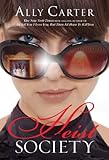
#. Promotions Discount !! Buy Cheap Heist Society On Sale

   Cheap Price !! Lowest Price Here For Buy Heist Society. This Store is the best place to buy cheap Heist Society. If you want to buy Heist Society in the best price, try to see specail offers or read the best customer reviews from this page. That can help you to make easy decision to buy this product. This product Shipped and Sold by Amazon Shopping Store. Usually ships in 1-2 business days This item ships for FREE with Super Saver Shipping. Order The Best price From This Page - Read more Informations by Click at the Big Links.


Lowest Price !! See Lowest Price Here Cheap Heist Society On Best Price

Heist Society


Heist Society On Best Price
Helpful Reviews : ★★★★ Lowest Price !! See Lowest Price Here Cheap Heist Society On Best Price
Product By : Amazon 
List Price : $16.99
Discount To : Very Low Price! Buy it Now!!
Shipping : Usually ships in 1-2 business days
  In Stock. & FREE with Super Saver Shipping
   
Lowest Price !! See Lowest Price Here Cheap Heist Society On Best Price Lowest Price !! See Lowest Price Here Cheap Heist Society On Best Price
Lowest Price !! See Lowest Price Here Cheap Heist Society On Best Price


Feature Heist Society Lowest Price !! See Lowest Price Here Cheap Heist Society On Best Price


  • ISBN13: 9781423116394
  • Condition: New
  • Notes: BRAND NEW FROM PUBLISHER! 100% Satisfaction Guarantee. Tracking provided on most orders. Buy with Confidence! Millions of books sold!


Overview Heist Society Lowest Price !! See Lowest Price Here Cheap Heist Society On Best Price


When Katarina Bishop was three, her parents took her to the Louvre...to case it. For her seventh birthday, Katarina and her Uncle Eddie traveled to Austria...to steal the crown jewels. When Kat turned fifteen, she planned a con of her own--scamming her way into the best boarding school in the country, determined to leave the family business behind. Unfortunately, leaving "the life" for a normal life proves harder than she'd expected.

Soon, Kat's friend and former co-conspirator, Hale, appears out of nowhere to bring her back into the world she tried so hard to escape. But he has good reason: a powerful mobster's art collection has been stolen, and he wants it returned. Only a master thief could have pulled this job, and Kat’s father isn’t just on the suspect list, he is the list. Caught between Interpol and a far more deadly enemy, Kat’s dad needs her help.

For Kat there is only one solution: track down the paintings and steal them back. So what if it’s a spectacularly impossible job? She’s got two weeks, a teenage crew, and hopefully just enough talent to pull off the biggest heist in her family’s (very crooked) history--and, with any luck, steal her life back along the way.


Available : In Stock.


Lowest Price !! See Lowest Price Here Cheap Heist Society On Best Price

FREE with Super Saver Shipping

Usually ships in 1-2 business days


  • Digg
  • Del.icio.us
  • StumbleUpon
  • Reddit
  • RSS

#. Buy Lowest Discount !! Get Cheap Price Heist Society On Sale

   Buy Lowest Price !! See Lowest Price Here Cheap Heist Society. This Store is the best place to buy cheap Heist Society. If you want to buy Heist Society in the best price, try to see specail offers or read the best customer reviews from this page. That can help you to make easy decision to buy this product. This product Shipped and Sold by Amazon Shopping Store. Usually ships in 1-2 business days This item ships for FREE with Super Saver Shipping. Order The Best price From This Page - Read more Informations by Click at the Big Links.


Sale In Cheap Price !! Promotions Here For Buy Heist Society Bestsellers

Heist Society


Heist Society Bestsellers
Helpful Reviews : ★★★★★ Sale In Cheap Price !! Promotions Here For Buy Heist Society Bestsellers
Product By : Amazon 
List Price : $16.99
Discount To : Very Low Price! Buy it Now!!
Shipping : Usually ships in 1-2 business days
  In Stock. & FREE with Super Saver Shipping
   
Sale In Cheap Price !! Promotions Here For Buy Heist Society Bestsellers Sale In Cheap Price !! Promotions Here For Buy Heist Society Bestsellers
Sale In Cheap Price !! Promotions Here For Buy Heist Society Bestsellers


Feature Heist Society Sale In Cheap Price !! Promotions Here For Buy Heist Society Bestsellers


  • ISBN13: 9781423116394
  • Condition: New
  • Notes: BRAND NEW FROM PUBLISHER! 100% Satisfaction Guarantee. Tracking provided on most orders. Buy with Confidence! Millions of books sold!


Overview Heist Society Sale In Cheap Price !! Promotions Here For Buy Heist Society Bestsellers


When Katarina Bishop was three, her parents took her to the Louvre...to case it. For her seventh birthday, Katarina and her Uncle Eddie traveled to Austria...to steal the crown jewels. When Kat turned fifteen, she planned a con of her own--scamming her way into the best boarding school in the country, determined to leave the family business behind. Unfortunately, leaving "the life" for a normal life proves harder than she'd expected.

Soon, Kat's friend and former co-conspirator, Hale, appears out of nowhere to bring her back into the world she tried so hard to escape. But he has good reason: a powerful mobster's art collection has been stolen, and he wants it returned. Only a master thief could have pulled this job, and Kat’s father isn’t just on the suspect list, he is the list. Caught between Interpol and a far more deadly enemy, Kat’s dad needs her help.

For Kat there is only one solution: track down the paintings and steal them back. So what if it’s a spectacularly impossible job? She’s got two weeks, a teenage crew, and hopefully just enough talent to pull off the biggest heist in her family’s (very crooked) history--and, with any luck, steal her life back along the way.


Available : In Stock.


Sale In Cheap Price !! Promotions Here For Buy Heist Society Bestsellers

FREE with Super Saver Shipping

Usually ships in 1-2 business days


  • Digg
  • Del.icio.us
  • StumbleUpon
  • Reddit
  • RSS

Katie’s Magic Teapot & the Cosmic Pandas Picture Book

An educational picture book for children with full colour images completed in oils, Katie’s Magic Teapot and the Cosmic Pandas takes the reader into a journey through the universe to discover planets, moons, galaxies and other oddities within our cosmos. The journey takes place rather bizarrely within a magic teapot.

Idea for Katie’s Magic Teapot


Katie's Magic Teapot & the Cosmic Pandas
Click to buy kindle
edition from Amazon
The idea started with the images, and the story followed suit. I kept thinking how compelling the sight of a flying teapot throughout the cosmos would be, the sort of picture book I would have liked when I was a child.

I have always loved poring over images of the cosmos, where few images grant the eye quite the same starkness in tones and colours as does the planets. Jupiter, Saturn and nebulae offered me lots of opportunities to explore painting techniques, using bright colours and interesting compositions. One of my favourite paintings is of a time-lapse image of Katie and the pandas floating through space, in all, featuring eight teapots.

Art Technique for Children’s Illustrations

I wrote and illustrated the story over a period of about four months, working intensively upon the paintings. I worked oil on panel of sizes 15x12in for single images, or 24x15in for double paged images. I took lots of photographs of the child subject matter, as children have a habit of moving around.

Illustrations to Katie's Magic Teapot & the Cosmic Pandas
I used an awful lot of black, as you might imagine, but this set the stage for using bright colours on top. I worked on the most detailed parts first when I was feeling most up to it, such as the girl’s face and the detail around the pandas and teapot. Lots of different art techniques were used for effects, including glazing. Glazing entails the application of thin layers of paint, allowing each to dry between. This creates smooth effects for the gradated effects in skies and auras around the planets.

I also smudged the paint via a rag over selected areas to emulate nebula clouds. Only the tiniest amount of paint should be used, and smudged thinly. Once dry, a little more can be added to selected areas to give the clouds more form. Smudging via a rag (or even fingers) was used to get the smooth effects for the rainbow.

A Colourful Educational Book for Kids
Impasto technique was used in small amounts around the planets and the galaxies. This entails applying thicker layers of paint for opaque colours. Oil pigments were often used neat from the tube, such as the red spot on Jupiter and the flowers on the teapot.

Katie’s Teapot Series

The picture book was hard but enjoyable work, so I decided to write a sequel: Katie and the Cosmic Pandas’ Deep Sea Voyage, which describes Katie’s voyage of discovery beneath the oceans. Both these books are 32 pages, roughly 1000 words long and are 8x10in in size. Both books are available on Kindle and as a printed version from Amazon..

A Great Learning Book for Kids

Katie's Adventure in her Flying Teapot
Screenshots on this blog serve to give you an idea of what the interior looks like in the printed version of the book. Formatting the images and the text just the way I wanted took almost as long as writing the book. This required trying out different fonts, background colours and making sure the elements on each page are balanced correctly, taking into account the page bleeds.

My other Art websites

Rachelshirleypaintings
oilpaintindemonstrations

  • Digg
  • Del.icio.us
  • StumbleUpon
  • Reddit
  • RSS

My Paintings Lack any Sense of Light or Atmosphere

The artist may set up a still life without due thought to the lighting. Shadows being non-solid may be overlooked, and may appear to fall off one side of the canvas when painted. This may compel the artist to fade them out as though diffused by strip lighting. The artist may further forget that pale objects may appear dark if lit from behind, portraying instead the object’s local colour. Such treatment may result in a painting that lacks atmosphere. How can the artist make best use of the light in painting?

Poor use of Light in Painting

Light is a vital factor in a composition, for light and shadow appear as solid to the eye as the objects themselves. Forgetting that shadows contain shifting hues and tones may result in black shapes that resemble holes in the painting. Subtle effects such as varying outlines and reflected light may also be overlooked, robbing the painting of all mood. But the following might help raise awareness of using light for painting.

The Best Use of Light for Painting

Examine the two paintings. It will not be immediately apparent that they comprise of identical compositions. The difference is simply the direction of the light. Light, especially sunlight, has a fundamental effect upon how objects appear, which is why it is such an important factor to consider in painting.

Both paintings were completed alfresco on two identical consecutive afternoons. The painting above was completed facing north; the painting below was completed looking west. Notice how different the colours are for both. The pudding basin is white, yet in both paintings, different colour palettes were used. The apple is bright red in one picture, yet it is almost black in the other. The actual colour of the objects is known as the “local colour” and will not always agree with the eye actually sees.

When it comes to painting, it is best to ignore the local colour but to record the perceived colour: If the apple is red but appears to be violet, paint violet rather than red.

How to Paint Light

The same object may often require a different palette when lit in different ways. Objects lit from behind will often feature tonal contrasts and subdued hues; a setting lit from the front will feature more definite hues and less shadows. In the case of the paintings, one required, ultramarine, burnt umber and liberal amounts of white; the other, burnt sienna, viridian, permanent rose and moderate amounts of white.

Shift the objects around under a light source and see how the shadows change in colour, tone and intensity. The hues of the objects will appear to shift too. Look for definite hues in white objects and bright colours in black objects. Natural light, particularly sunlight will emphasise these effects.

Painting Light from Life

The Complete Oil Painter: The Essential Reference for Beginners to ProfessionalsShifting shadows create challenges for the artist wishing to capture their essence, but being transient, time is a factor. I often record the shape of the shadows quickly and then block them in. Making snap judgments in colour mixing is often required. Once the shadows have shifted, don’t be tempted to alter them accordingly, for this could mess up the painting. Ignore them and continue with the other subject matter.

Painting light is more about capturing many moments in time, as opposed to photographing one moment.

Links to Oil Painting Information

  • Digg
  • Del.icio.us
  • StumbleUpon
  • Reddit
  • RSS

Indoor Lighting Makes my Still Life look Dreary

Poor lighting may make the brightest still life objects appear dull. The artist may find colour mixing more difficult, which will have a knock-on effect on the painting. Artificial lighting serves only to make the still life setting appear lurid, creating fuzzy shadows with no contrasts. But outdoors, even on a cloudy day, the contrast can be breathtaking. How does the artist prepare for still life painting en plein air?

Painting a Still Life Alfresco

Tips for Alfresco Art
The artist does not have to go traipsing off into the landscape to paint alfresco; one’s own back yard is ideal. The light that floods the garden is often far brighter than the light that filters indoors, even on a cloudy day. Objects appear more vibrant and contrasts between colour and tone more intense. As a bonus, new possibilities for still life subject matter seem to open out: tomato plants, wheelbarrows, deckchairs, trellises, gardening tools, swings, hanging baskets, urns, water-features, bird tables, garden ornaments, fish ponds, bird boxes – and natural light.

However, the simplest everyday objects can be used and when carefully arranged in the garden, exude a beauty rarely seen indoors.

Still Life in the Garden

Setting up a still life outdoors need not be difficult. A patio table and chair can be used as the painting station. I often use as tripod stool as used by campers or fishers, as it allows unlimited elbow room. Adjust the seating so the thighs are parallel to the floor. This will also make the paints easier to reach if placed on the ground.

An informal setting with minimal clutter is best. An easel need only be used if working large. Otherwise, affix the painting to a backing board via bulldog clips and prop against a patio table or similar. Place all art materials on an old sheet so that it can be gathered up quickly if the weather changes. Weigh down with stones if it turns breezy.

Practical Advice for Painting En Plein Air

Beware of hotspots in the garden and also of bright sunlight bouncing off the painting surface. If possible sit in the shade or under a parasol. Wear a hat and sunblock. A cool drink always comes in handy. There is nothing wrong with wearing sunglasses, for they cut out the glare and make the still life stand out. But take them off from time to time to check the colour mixes.

Optimum Use of Light for Painting

Plan ahead for such a fickle thing as sunlight. Conceive and sketch the composition on a dull day. This will negate pressures to get the paint down before the light fades.

Finding an interesting still life composition in the garden will involve viewing, walking around, taking notes and sketching. Swapping and changing the objects might sometimes be necessary. Take the time to get the drawing right. Make a note of where the drawing took place and how the objects were arranged. Taking due thought over this will ensure a successful painting on the day.

Oil Paintings from Your Garden: A Guide for BeginnersIf the weather forecast is good, prepare the art materials in readiness. Consider where and when the shadows creep in on certain times of the day. It would be pointless to begin a sunlit painting in late afternoon if the sun sets behind the house.

Allow more time to complete the painting than one thinks. I find early morning or teatime in spring or late summer allows the artist ample time to record the shifting shadows. Diffused sunlight as seen beneath a parasol will take away the element of transience if the artist wishes. But if the painting does not turn out at first another can be tried without too much preparation, but painting alfresco in the garden is arguably one of the most unique ways of producing still life art that may prove addictive.

More about producing still life art in the garden can be found in my book Oil Paintings from your Garden, as signed copy of which can be purchased from Ebay (see visual link on the top right of this blog) or from Amazon.

Articles on Still Life

  • Digg
  • Del.icio.us
  • StumbleUpon
  • Reddit
  • RSS

What is the Best Technique for Painting Detail in Oils?

Embarking upon a painting featuring lots of elements regarding textures, patterns and colour shifts may overwhelm the artist wishing to try something challenging. Striations on seashells, embroidery on curtains or layers within red cabbage may cause visual overload where the artist does not know where to begin. What is the simplest technique for painting detail without compromising the quality of the finished artwork?

Problems with Painting Detail

Applying Detail in Oils
Rachel Shirley
The idea of embarking upon a painting with lots of detail is often appealing. The reward of completing an exacting work of art that catches the eye and entices the viewer to take a closer look may cause the artist to go in with both feet with such a project. However, once faced with the reality of emulating a multitude of patterns and textures, the artist may experience the wind go out of the creative sails. The following may cause an unsatisfactory painting with detail.

Trying to complete the painting in one go and with increased haste towards the end due to fatigue. This will be reflected in wobbly lines, patchy colour mixes and uneven paint layers.

Spending too much energy on preparing the project, collating visual resources, completing an accurate and detailed drawing, and setting up the workstation. When the time actually comes to paint, the artist may become lacklustre and run out of steam. An uncompleted painting is the likely result.

Using inferior art materials for exacting processes, such as cheap brushes and pigments with poor tinting strength will create difficulties for the artist and an unsatisfactory painting of detail.

How to Paint Detail

The artist must think realistically about how the project is to be completed. The following tips may help.

Accept that a large detailed painting will never be completed in one day. Plan what to do first and how much per session. Be realistic about how much time the painting will take. This will keep the painting manageable.

Create small goals. If the painting features several objects, complete one object per day. Alternatively, if two or three objects contain similar hues, such as maroon striations in a red cabbage and textures on a beetroot skin, complete those objects containing that particular hue together.

Begin the painting session with the most challenging detail when feeling most up to it. The easier parts can be completed at the end of the session.

Take regular breaks from the painting. Time easily slips away whilst engrossed in painting each layer of an onion. Don’t push too hard. Beware of discomfort when sitting too long. Move about periodically.

Try not to think about the whole painting whilst painting a small aspect of it. Relegate all other objects as invisible. Imagine the painting is in fact several paintings in one. This will make the artist feel that the painting is moving forward.

Essential Art Materials for Detailled Painting

The artist must never guesswork detail, or the painting may fail to convince. For this reason, excellent visual resources and good lighting are vital. This means photographs of a high resolution or subject matter that is up to standard. Good lighting conditions may comprise a north-facing skylight, or adjacent window. Painting in dull lighting may give the artist a false impression of the painting’s quality until viewed under bright conditions.

Excellent quality fine sable brushes are vital. Kolinsky sables provide fine points, softness and springiness. When it comes to sharp detail, rounds sizes 0, 1, 3 and 6 will suit most purposes. A selection of filberts or fans will create smooth blends.

Art Techniques for Painting Detail

DK Art School: An Introduction to Art Techniques (DK Art School)Oil painting in glazes enables the artist to work over the painting in layers to achieve an ever higher and sharper-detailed finish. This entails the application of the paint in thin translucent layers, most often thinned with linseed oil. Each artist will have personal preference, but the following describes how I typically complete a detailed painting:

Apply an imprimatura of an earth colour, usually thinned burnt sienna or burnt umber acrylic paint. This will kill the overpowering white layer of the canvas.

Sketch the composition on top with a fine chalk pencil. Detail is not essential as the drawing will be concealed by the overlying paint.

Select an object in the painting; in this example, an onion. Apply the base colour thinly, which might be cream or beige Express shifts in tone and brush away unwanted marks. Apply the detail with slightly thicker paint. The onion layers can be suggested by applying thinned paint via a rigger or thin sable. Even out unwanted brush marks, accepting the object will not be perfect at this stage.

Allow to dry. In the meantime, the artist may embark upon another object if feeling up to it. Return to the onion another day once touch-dry, applying a second glaze. This glaze can be used to modify or improve upon the lower layer. Sharpen up detail and smooth out unwanted brush marks. The artist may notice the object appears sharper, more intense and closer to the desired effect. A third layer can be applied if desired, although only select areas may need attention.

Related Articles on Oil Painting Techniques

  • Digg
  • Del.icio.us
  • StumbleUpon
  • Reddit
  • RSS

How do I Paint Pectin on Grapes?

Subtle features on still life objects such as the pectin on the skins of grapes or condensation on strawberries may often be overlooked in preference to the fruits’ colour mixture or shape. The fruit painting may turn out as expected, but the still life misses something, an extra factor that could make the still life great. What art techniques can the artist use to suggest pectin on grapes or water droplets on food?

Insensitive Observation of Still Life Art

How to Paint Grapes
In many cases, the artist’s first rendering of any object, grapes included, is an exercise in capturing its most obvious elements: its shape, its dimensions, its hue and its tone. Subtle detail may easily be overlooked. The following practices may curtail sensitive observation of such objects:

Perceiving objects in symbolic and idealized ways and reflecting this in the painting. For example, grapes are small round objects, often found in bunches, that are either green or maroon in colour. A white dot can be used to suggest a highlight and a dark crescent for the darks.

Working in alla prima (in one paint layer), may not permit the artist the scope to make small modifications to the grape painting necessary to capture the essence of pectin or similar subtle effects.

Making do with cheap oil painting materials such as inferior brushes for exacting processes, or not having sufficient colours in the palette to attain the subtle colour mixes needed for specific purposes.

Subtle Effects for Still Life

Painting fruit and observing other still life artists’ work will inevitably raise visual awareness, which will in turn cause the artist to critically anaylise past paintings and perhaps feel dissatisfaction. This is a good sign, as the artist is beginning to see things in a more sensitive way. The following method can be used to suggest pectin on fruit.

How to Paint Pectin on Grapes

Photographs with high resolution of grapes are essential for detail. If painting grapes from life, keep the grapes in the fridge between painting sessions to keep them fresh. As with most painting techniques, work from the basic to the particular. Simplify the grapes into basic tones and shapes and record them onto the painting surface. Render the grapes as though without pectin, but see beyond it to the colour beneath. Use a little linseed oil to achieve a flat glaze. Brush out ridges and troughs. Allow this initial paint layer to dry.

Radiant Oils: Glazing Techniques for Paintings that GlowThe next glaze concerns the pectin. Mix a colour slightly paler than the colour used for the grapes. If the grapes are green, add a little white to the green mix. Dab a little of this colour onto a narrow filbert sable. Don’t load too much and don’t add linseed oil, or the mixture will become runny. Gently wipe surplus pigment onto a soft cloth until the bristles are lightly coated with the pigment. Aim for a fine, almost flaky consistency to the paint.

Lightly “scumble” the paint over the grapes concerned. Don’t apply the paint evenly or thickly. Allow the paint to drag over the painting in a broken glaze in an effect like lightly applied crayon. Darker areas of the grapes, such as shadows should be darkened slightly accordingly.

Pectin can also be suggested by dragging the paint over a painting completed on fine texture such as canvas. This will suggest the dustiness of pectin, as some areas will be darker than others.

How to Paint Moisture on Fruit

Paintig Highlights on Strawberries
Like the dustiness of pectin, observing the lusciousness of fruit, rather than the mere shape and colour of the fruit itself, will help create a super-real still life.

Again, good photographic reference is essential. Paint the fruit (in this case, strawberries) as though no highlights or water droplets can be seen. Apply the paint thinly where the highlights will be placed.

Once the colour and hues of the fruit has been blocked in, mix white with a hint of pthalo blue and a little linseed. Observe the shape of the highlights, which will vary in shape and size. In the strawberry painting, the highlights vary from linear flecks to doughnut-shapes. Place strategically around the fruit, ensuring the outlines of the highlights remain sharp.

Moist highlights will sometimes exhibit adjunction of dark linear shapes which are deeper than the general colour of the fruit. These dark convolutions hold the key to making the surface of fruit appear luscious rather than merely smooth or shiny. Like the highlights, these dark areas will vary in shape and size. Ensure the outlines remain sharp.

Super-real Fruit in Painting

Recording subtle observations in objects, such as fruit is key to creating a still life with super realism. Pectin on grapes or water droplets on strawberries, for example, require small touches, but could transform a painting.

Relevant Links to Still Life Art

  • Digg
  • Del.icio.us
  • StumbleUpon
  • Reddit
  • RSS